


For a long time, the loudest “shoulds” guiding my choices were about doing the right thing. Achievement. Grades. Status.
School rewarded those things, and I was good at them. I learned early that if you performed you were rewarded, and the idea that success could be measured and earned soaked in.
What I didn’t learn was how to make the bigger decisions in life: what to commit to, what to walk away from, and how to know the difference.
Over time, I learned something quietly radical: There is no right answer to life, only choices. And the real work is learning how to make those choices from the inside out, not by constantly looking outside for approval.
Lesson 1: Success signals aren’t the same as direction
I thought achievement meant I was heading in the right direction. Good grades, prestigious opportunities, sensible paths: they all felt like evidence that I was “doing it right.”
But those signals don’t tell you why you’re doing something, or whether it will sustain you. They tell you you’re capable. They don’t tell you what you’re here for.
Learning to separate what the world wanted from what I needed was the first step in my journey.
Lesson 2: Energy is information (even when you don’t trust it yet)
The first time I really noticed my energy pulling me somewhere was when I chose to do a PhD. On paper, it made sense. It was prestigious. It validated everything I’d done so far. Another rung on the ladder.
But it was also a delay. I could have gone into IT at the start of the dotcom boom and probably made a lot of money.
The question underneath was never simple: Was I avoiding a “real job”? Or did I know, somewhere deeper, that I needed to explore this first?
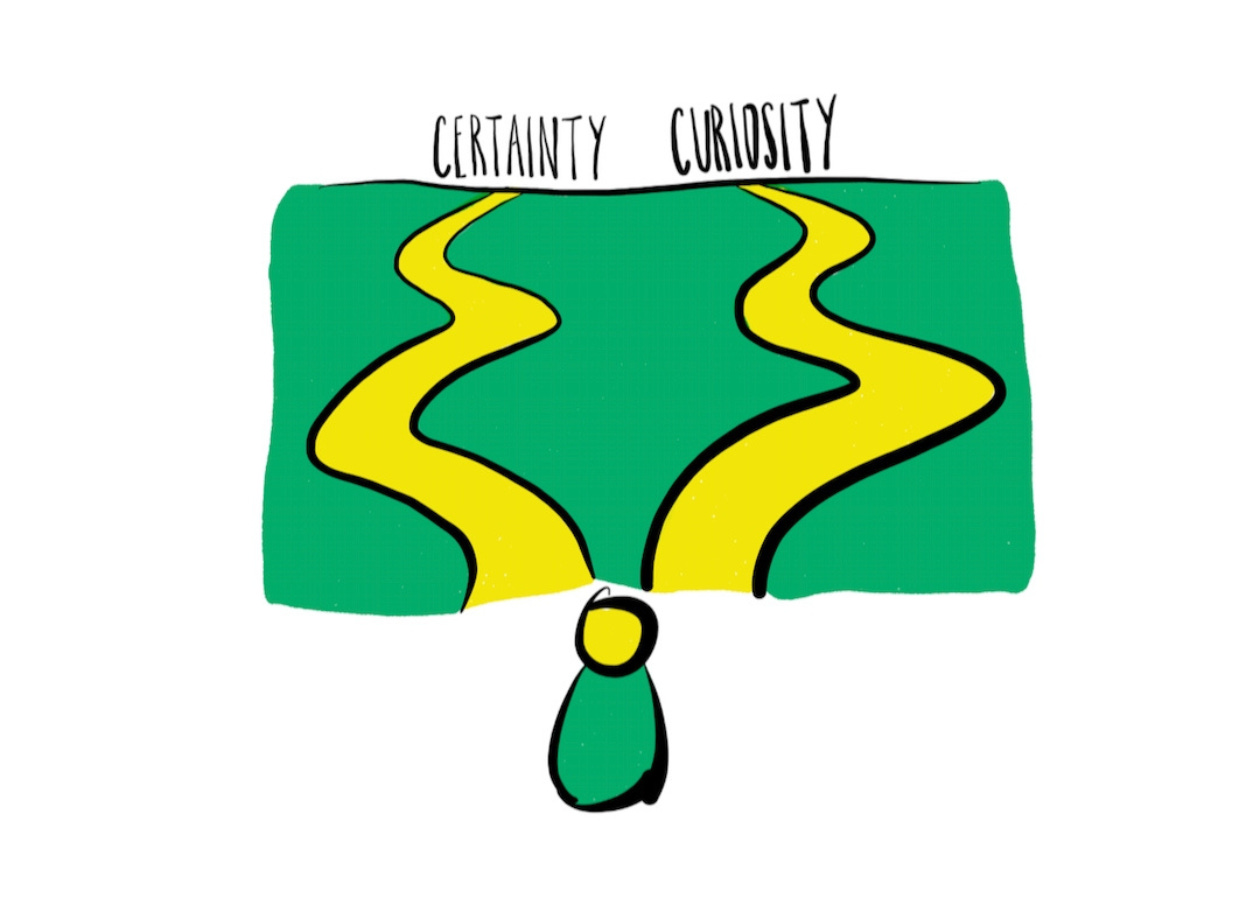
I didn’t have the language for it then, but looking back, I think I followed curiosity rather than fear. My curiosity for physics was greater than my fear of falling behind in a career. My energy was already trying to lead; I just didn’t yet know what I was listening to.
Lesson 3: Employment teaches you what you don’t want, and that matters
The most important things employment taught me weren’t technical skills. They were about motivation.
I learned that if I didn’t understand why I was doing something, I would slowly disengage. I learned that money mattered, but it wasn’t my only motivator. Freedom and learning turned out to be core needs for me.
At one point, I negotiated a significant pay rise. Shortly after getting it, I quit.
That moment taught me something essential: money can meet needs, but it can’t replace them.
Employment wasn’t a mistake. It was data. I needed it to learn what didn’t fit.
Suffice to say since quitting that job I never went back to full-time employment and embraced entrepreneurship.
Lesson 4: Entrepreneurship is a mirror, not an answer
Entrepreneurship taught me things employment never could. It forced me to look at my relationship with money, value, and self-belief. It taught me that having a great idea, product, or service isn’t enough. You have to communicate its value in a way that resonates with the person in front of you. Value is in the eye of the beholder. You can’t force someone to find something valuable, but you can talk about it in a way that the right people will always see its worth. It exposed my relationship with conflict, responsibility, and uncertainty.
It also taught me that entrepreneurship isn’t a skill; it’s a mindset. And that more money isn’t always freedom. For some people, it becomes a prison if it pulls them further away from what actually motivates them.
Entrepreneurship didn’t give me the answers. It gave me better questions.
A final lesson: Committing and quitting are both skills
One of the hardest things I’ve had to learn is the difference between quitting because something is uncomfortable and leaving because it’s wrong.
I can do hard things. I’ve done a PhD. I earned a black belt. Discipline isn’t my issue.
But persistence without purpose isn’t virtue; it’s avoidance.
When a goal is open-ended and you find yourself pushing on without knowing why, that’s the moment to pause and ask what you’re really committed to.
What I’d tell my kids (and my younger self)
Be disciplined. Learn to commit. But also learn to quit.
Learning to quit isn’t about accepting failure. It’s about making bold choices based on what you really want and need.
Learn to listen more deeply to yourself. Learn what actually motivates you. Learn the difference between fear, discomfort, and knowing.
This is lifelong work. And the more you practice it, the better you get, not at being impressive, but at being you.
Life isn’t about becoming better at who you should be. It’s about becoming better at who you already are.
And don’t do this alone. Find peers. Find mentors. Find spaces where you can think out loud without judgement.
You still need to work while you’re learning about yourself. But you don’t need to abandon yourself while you do.